
Does Air Duct Cleaning Improve Airflow? | Westchester County NY
What Westchester County Homeowners Should Know
Comfort, Energy Bills, and a Common Question
Homeowners across Westchester County, including White Plains, Scarsdale, New Rochelle, Yonkers, Rye, Mount Kisco, and Ossining, often ask:
“Will air duct cleaning actually improve airflow or lower my energy bills?”
It’s a fair question — especially when rooms feel unevenly heated or cooled, or when energy costs creep higher year after year.
The answer isn’t hype-based or one-size-fits-all.
Air duct cleaning can improve airflow and efficiency — when buildup is present and expectations are realistic.
Let’s break it down clearly.
How Airflow Works in a Residential HVAC System
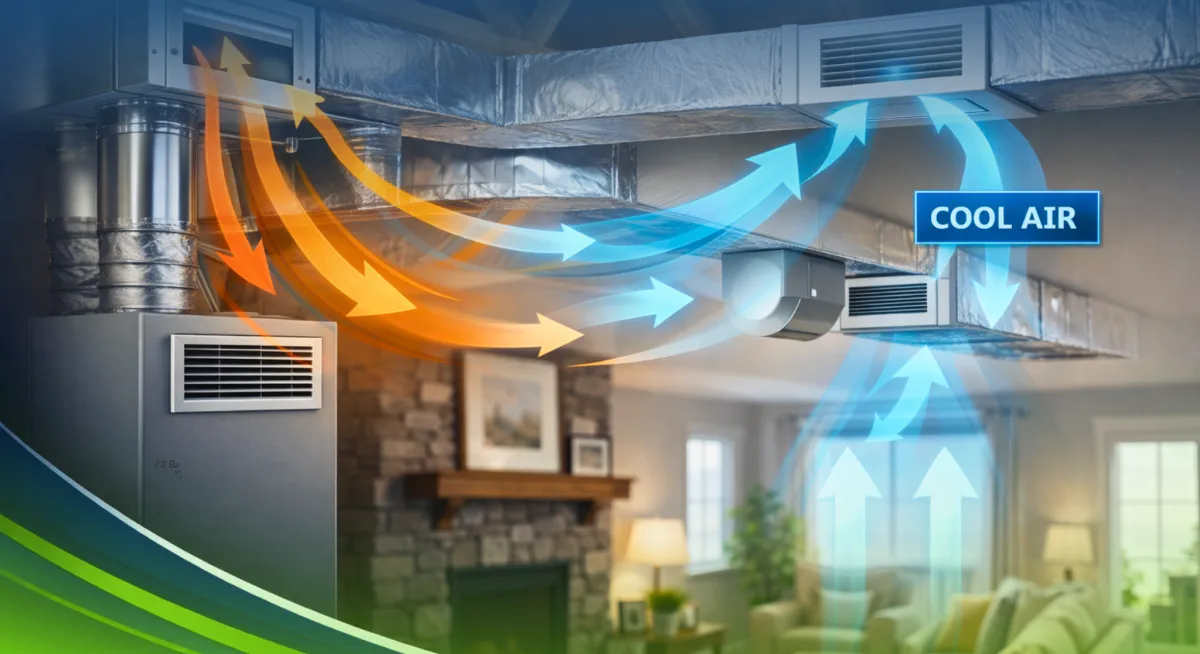
Your HVAC system is designed to:
Pull air in through return vents
Condition it (heating or cooling)
Push it back through supply ducts
For airflow to stay consistent, duct pathways need to remain reasonably clear.
Over time, dust, pet dander, and debris can settle inside ductwork and restrict airflow — especially in bends, junctions, and longer runs.
When Dirty Ducts Can Affect Airflow
Air duct buildup is more likely to affect airflow when:
Ducts haven’t been cleaned in several years
The home has pets
Renovations introduced fine dust
The home has long or complex duct runs
In these cases, airflow resistance can increase, making the system work harder to move air.

Can Duct Cleaning Improve Energy Efficiency?
Indirectly — yes.
When airflow is restricted:
HVAC systems run longer
Systems cycle more frequently
Efficiency drops over time
Removing buildup helps restore airflow closer to the system’s intended design, which can support more consistent operation and reduce unnecessary strain.
That said, duct cleaning is not a guaranteed fix for high energy bills — insulation, system age, and maintenance all matter too.
What Air Duct Cleaning Can Realistically Improve
Professional duct cleaning may help:
Improve airflow consistency between rooms
Reduce system run time caused by restriction
Support more even heating and cooling
Help HVAC systems operate more efficiently
Envirogreen also includes duct sanitation using organic, kid-safe and pet-safe products, which helps reduce bacterial growth inside the system.
What Duct Cleaning Does Not Fix
It’s just as important to know what duct cleaning doesn’t do.
It does not:
Replace HVAC maintenance
Fix undersized systems
Repair damaged ductwork
Eliminate all energy inefficiencies
That’s why honest expectations matter.
Homes Most Likely to Notice a Difference
Homes With Pets
Pet hair and dander can accumulate quickly and affect airflow over time.
Older Homes in Westchester County
Many homes in Scarsdale, Rye, and Mount Kisco have duct systems that haven’t been cleaned regularly.
Homes After Renovations
Construction dust frequently settles inside ducts and restricts airflow.
This is a common reason homeowners request a custom quote.
How Often Should Ducts Be Cleaned?
Envirogreen recommends:
Every 1–2 years for most homes
Every year for homes with pets or allergies
You can review current pricing to understand service structure.
Prevention Helps Efficiency Last Longer
Optional UV Light Installation
UV lights help reduce bacterial growth inside HVAC systems from the start.
Learn more about UV light installation.

Filtration Matters
Pleated filters should be replaced every 3 months
Permanent washable filters ($199 installed) are available
View filter options.
So — Does Air Duct Cleaning Improve Airflow and Efficiency?
When airflow restrictions are caused by buildup,yes — duct cleaning can help.
The biggest improvements come when cleaning is paired with:
Proper filtration
Preventive UV options
Regular HVAC maintenance
If you’re unsure whether duct buildup is affecting your system:
📞(866) 797-3779
Frequently Asked Questions
Can duct cleaning lower energy bills?
It may help indirectly by improving airflow efficiency.
Does duct cleaning improve airflow immediately?
When buildup is present, improvements are often noticeable.
How do I know if airflow issues are duct-related?
Uneven airflow, dusty vents, and long gaps between cleanings are common indicators.
Are UV lights required?
No — they are optional prevention tools.


