
Can Dirty Air Ducts Affect HVAC Performance? | Fairfield County CT
Can Dirty Air Ducts Affect HVAC Performance? What Fairfield County Homeowners Should Understand
Introduction: When the System Feels "Off"
Homeowners in Stamford, Norwalk, Greenwich, Fairfield, Westport, Darien, Trumbull, and Shelton often ask: "Can dirty air ducts affect my HVAC system's performance?"
Maybe the system runs longer than it used to. Maybe airflow feels uneven. Maybe energy bills have slowly increased.
The honest answer? Yes — dirty air ducts can affect HVAC performance when buildup becomes significant enough to restrict airflow. But it's important to understand how — and when — that happens.
How HVAC Systems Are Designed to Work
Your HVAC system depends on airflow balance. Air is:
- Pulled in through return ducts
- Heated or cooled
- Pushed back out through supply ducts
For the system to operate efficiently, air needs relatively clear pathways. When those pathways narrow due to buildup, resistance increases.
What Happens When Duct Buildup Increases
Over time, dust, pet dander, pollen, and everyday debris settle inside ductwork. When buildup becomes heavier:
- Airflow may decrease in certain rooms
- The system may run longer to reach the thermostat setting
- Filters may clog faster
- Efficiency can gradually decline
This doesn't happen overnight — it develops slowly.
Signs Duct Buildup May Be Affecting Performance
You may notice:
- Uneven airflow between rooms
- Longer heating or cooling cycles
- Increased dust around vents
- More frequent filter changes
These don't automatically confirm duct issues — but they are indicators worth evaluating.
What Dirty Ducts Do NOT Cause
It's important to stay realistic. Dirty ducts do not:
- Automatically damage HVAC equipment
- Replace the need for routine HVAC maintenance
- Explain every efficiency issue
Other factors like insulation, system age, and duct design also matter.
Why Older Fairfield County Homes May Be More Affected
Many homes in Greenwich, Westport, and Norwalk have older duct systems that may not have been cleaned regularly. In those homes, years of buildup can gradually affect airflow balance.
How Often Should Ducts Be Cleaned?
Envirogreen recommends:
- Every 1–2 years for most homes
- Annually for homes with pets or allergy sensitivities
This schedule helps prevent airflow restriction from becoming excessive. You can view pricing or request a quote.
Prevention That Supports HVAC Performance
Filtration
- Pleated filters should be replaced every 3 months
- Permanent washable filters ($199 installed) are available
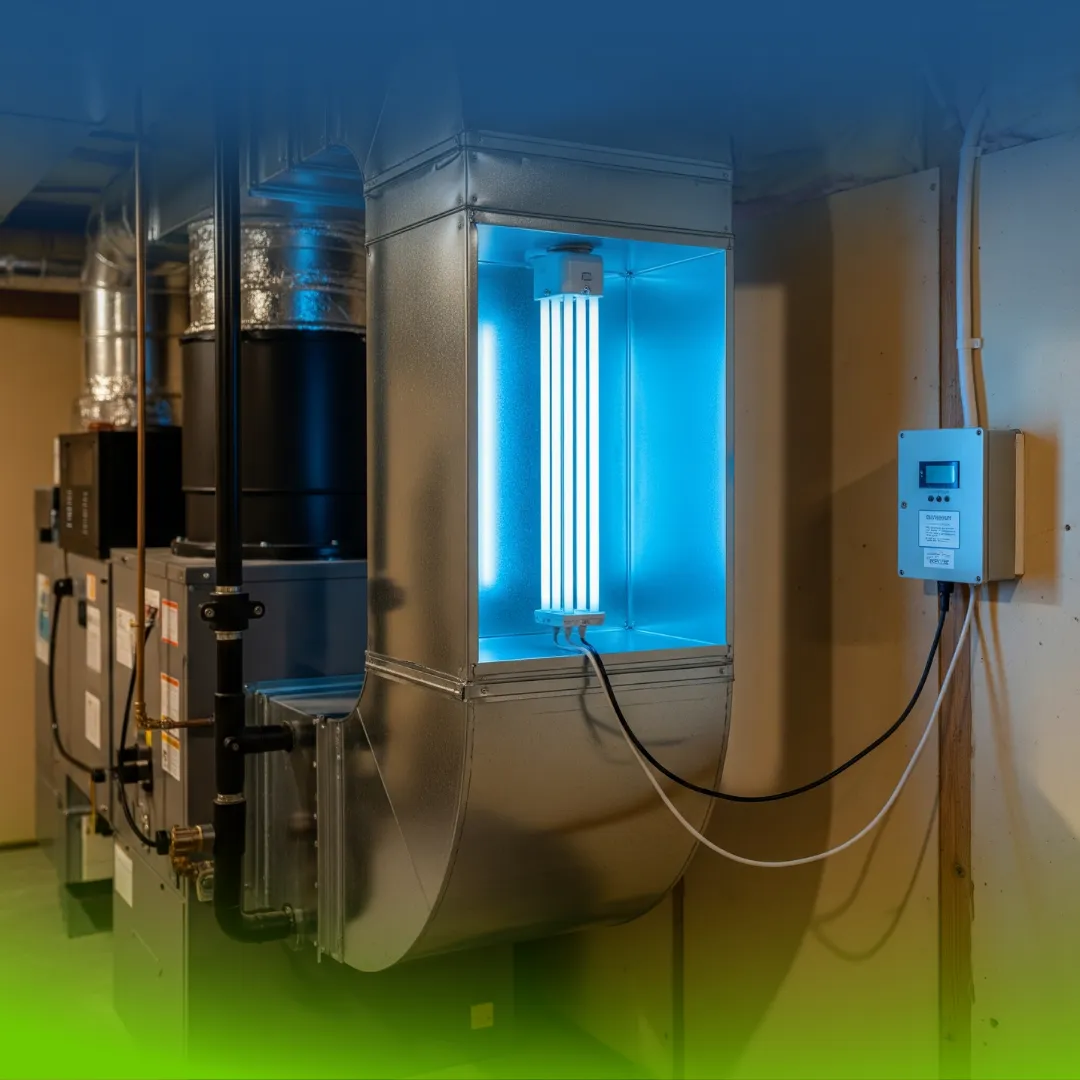
UV Light Installation
UV lights help reduce bacterial growth inside HVAC systems and support cleaner internal conditions. They're optional — but effective for prevention.
Pricing Transparency
Envirogreen pricing is based on the number of HVAC systems, not vents.
- Single-system homes are most affordable
- Multi-system homes increase pricing based on time and complexity
So — Can Dirty Air Ducts Affect HVAC Performance?
Yes — when buildup restricts airflow, performance can decline gradually. Cleaning restores airflow pathways closer to their intended condition. But duct cleaning works best as part of a full maintenance plan.
If you're unsure whether duct buildup is affecting your system:
Frequently Asked Questions
Can dirty ducts cause higher energy bills?
They may contribute if airflow restriction increases system runtime.
Will cleaning fix uneven airflow?
If buildup is the cause, cleaning can help — but other factors also affect airflow.
How often should ducts be cleaned?
Every 1–2 years for most homes; annually for homes with pets.
Are UV lights required?
No — UV lights are an optional preventive tool, not a requirement.
Envirogreen Duct Cleaning specializes in residential indoor air quality services — air duct cleaning, sanitation, UV light installation, and advanced filtration — across Westchester County NY, Bergen County NJ, and Fairfield County CT.


