Cleaner Air. Healthier Homes
How Pollen Overloads Your HVAC Filters | Bergen County NJ
How Pollen Overloads Your HVAC Filters | Bergen County NJ
Spring and summer pollen loads in Bergen County are punishing, and your HVAC filter is on the front line. Whether it wins or loses that fight depends on three things — and the most common mistake we see is changing cadence during pollen season.
How Pollen Overwhelms a Filter
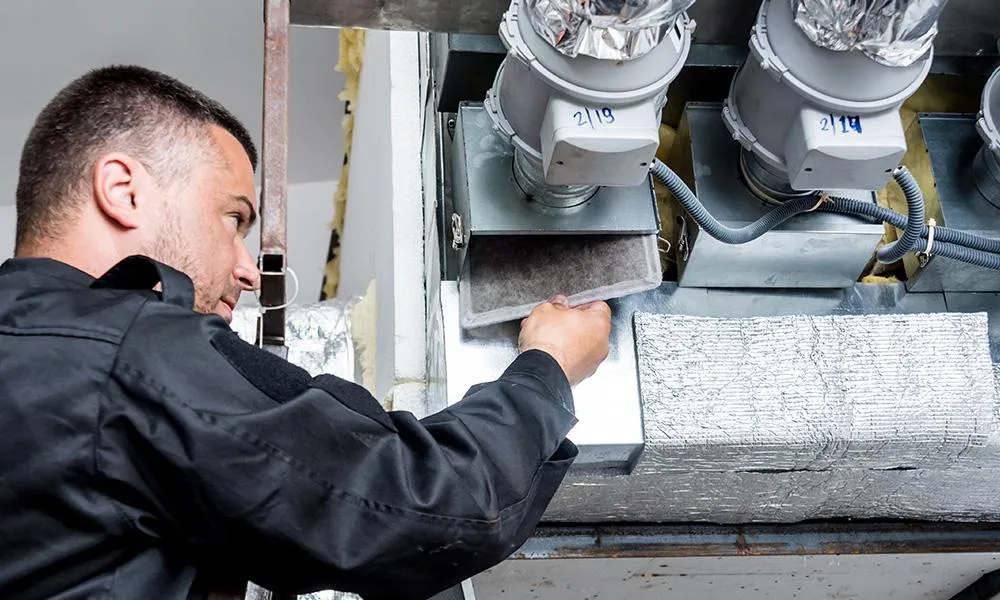
Pollen grains are relatively large, which means a decent pleated filter captures them well. The problem is volume. In peak tree-and-grass-pollen weeks, a filter that normally lasts 3 months can be fully loaded in 6 weeks. A loaded filter doesn't just stop capturing — it restricts airflow and pushes unfiltered air around its edges.
Three Things That Determine Filter Performance in Pollen Season
1. MERV rating
MERV 11 captures most pollen effectively. MERV 13 captures more but increases pressure drop — check that your system tolerates it before upgrading. MERV 8 or below is not adequate for a pollen-sensitive household.
2. Fit
A too-small filter in a too-big slot lets air bypass the filter entirely. We see this all the time. Measure carefully, or have us size it during a visit.
3. Change cadence
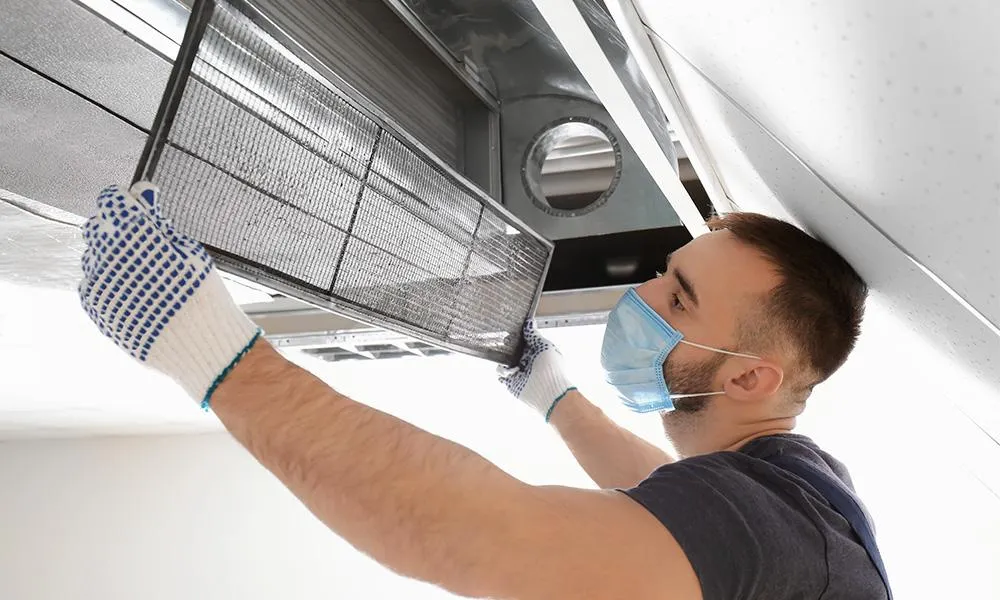
During peak pollen weeks, change every 4–6 weeks instead of every 3 months. A loaded filter is worse than no filter — and the first sign you have one is a warmer-than-normal system and longer runtimes.
What a Whole-Home Strategy Looks Like
- MERV 11–13 pleated filter, sized correctly
- Change every 4–6 weeks during pollen peak, 2–3 months otherwise
- Duct cleaning in late spring to clear accumulated pollen from prior seasons
- UV at the coil to address the moisture-and-pollen combination that drives musty smells
- Bedroom HEPA air purifier as a supplemental measure for sensitive sleepers
Pollen Calls Across Bergen County NJ
In Bergen County communities like Hackensack, Paramus, Ridgewood, Fort Lee, Englewood, Teaneck, Fair Lawn, and Mahwah, pollen calls stack up from early May through mid-June. The homes that cruise through it are the ones with a proper filter, a sensible change schedule, and clean ductwork from a spring service.
Ready to Schedule?
Envirogreen serves homeowners across Bergen County NJ with NADCA-aligned air duct cleaning, dryer vent cleaning, sanitation, and filtration upgrades. Our pricing is based on the number of HVAC systems — not the number of vents — so the quote you see is the quote you pay.
- Call us: (866) 797-3779
- Book online at envirogreenductcleaning.com
- Same-week appointments typically available during AC season
Frequently Asked Questions
What about HEPA for the whole house?
Rarely feasible on residential systems — true HEPA restricts airflow too much. Use HEPA in portable purifiers for specific rooms.
Does the brand of filter matter?
The MERV rating and the fit matter much more than the brand. Many store-brand pleated filters perform well.
How do I know when to change?
Visual inspection every 3–4 weeks during pollen season. If it looks heavily loaded, change — regardless of the calendar.



Frequently Asked Questions
How often should air ducts be cleaned?
Most homes benefit from air duct cleaning every 3–5 years. You may need it sooner if you have pets, allergies, recent renovations, visible dust buildup, or notice musty odors when your HVAC system runs.
Will air duct cleaning really improve indoor air quality?
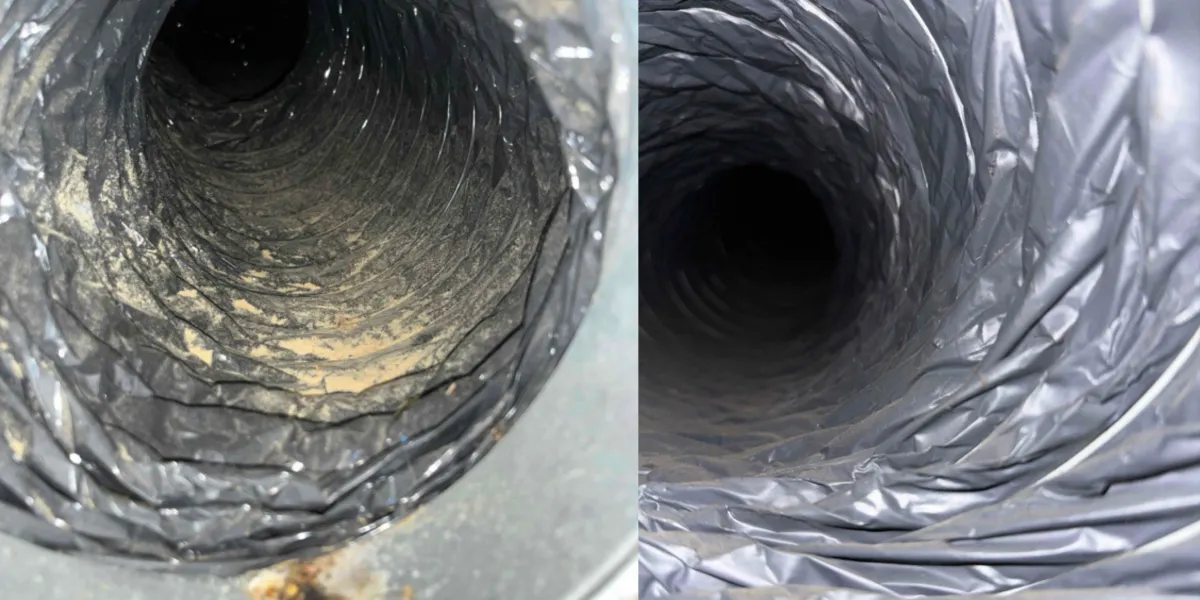
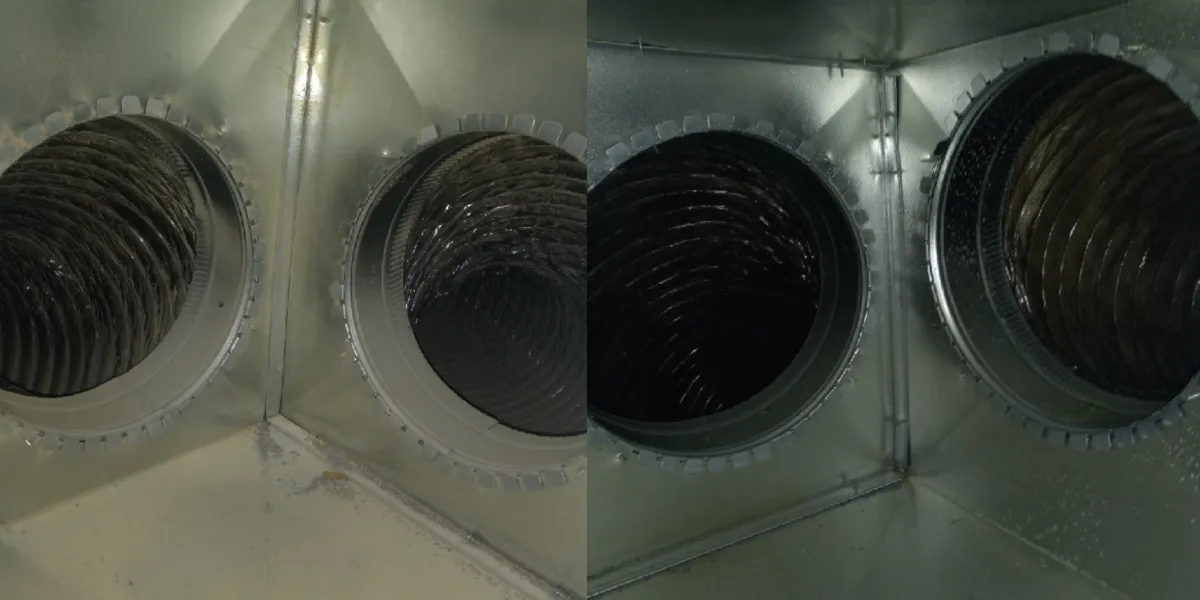
Yes. Professional air duct cleaning removes dust, allergens, mold spores, and debris that circulate through your home. Many customers notice less dust, fewer allergy symptoms, and fresher-smelling air after service.
Is air duct cleaning messy or disruptive?
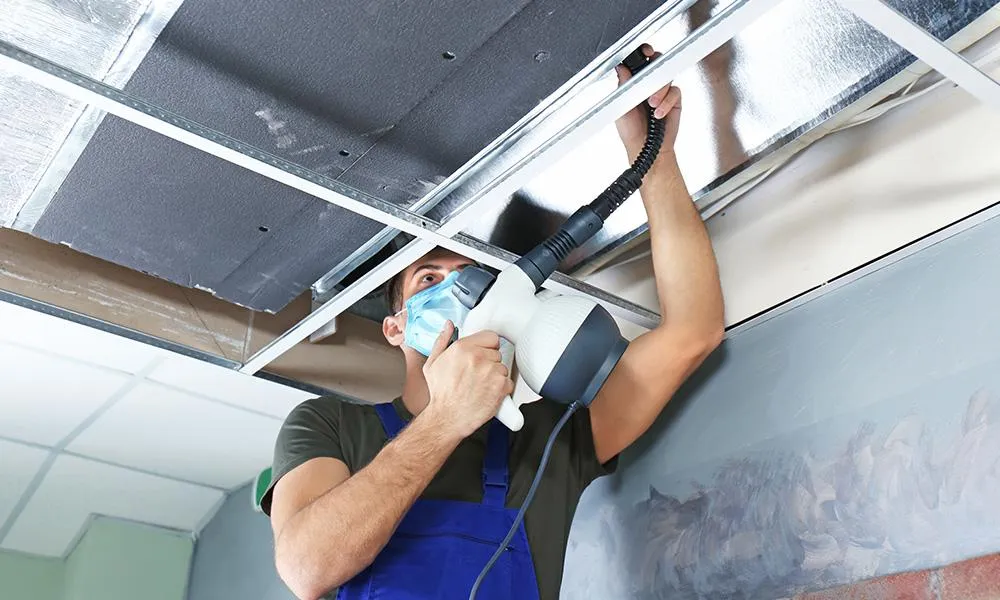
Not at all. Our process uses powerful vacuum systems that keep debris contained. We protect your home before work begins and leave the area clean when the job is done.
Why is dryer vent cleaning important?
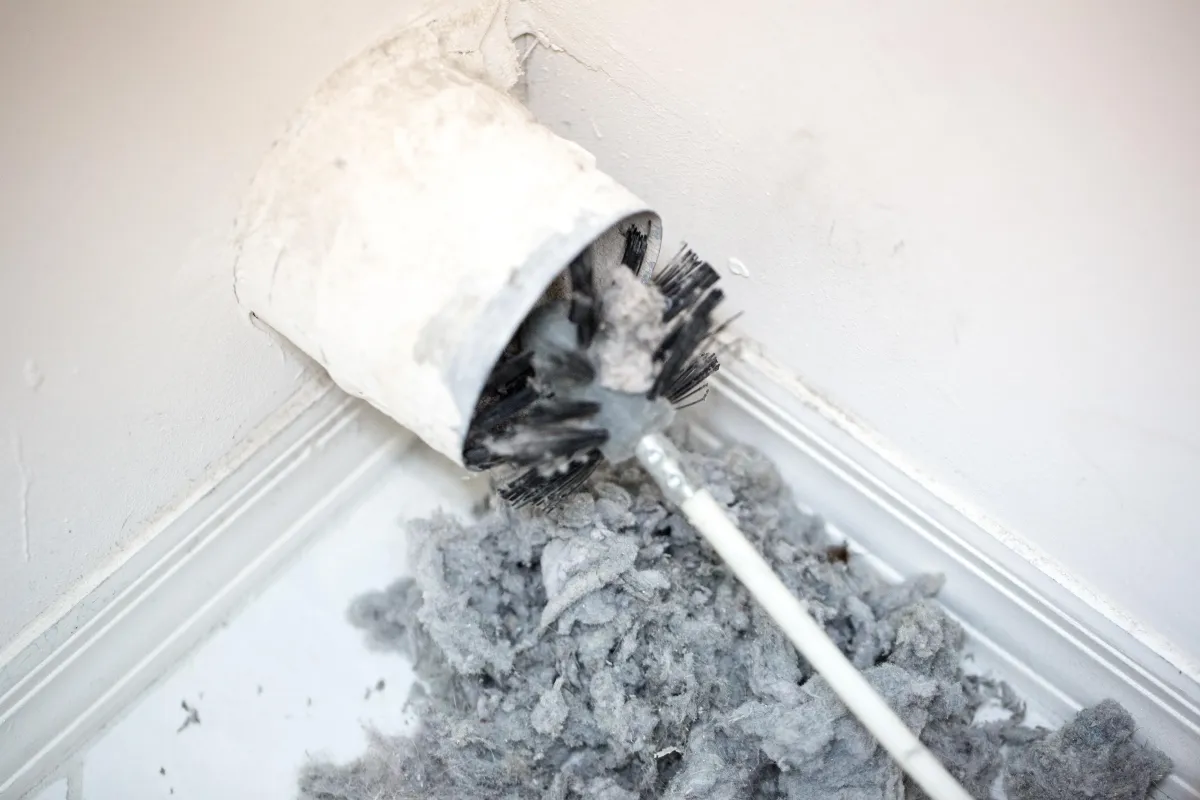
Lint buildup in dryer vents is a leading cause of house fires. Cleaning your dryer vent improves safety, reduces drying time, lowers energy use, and helps extend the life of your dryer.
Is Benefect® safe for my home and family?
Yes. Benefect® is a plant-based disinfecting solution that is effective against bacteria and mold without harsh chemical residue. It’s an eco-conscious option that aligns with our commitment to healthier indoor environments.
BOOK ONLINE NOW

Still Have Questions?
EnviroGreen Air Duct Cleaning is committed to helping you make informed decisions about your indoor air quality. Contact us today for personalized recommendations or to schedule service.

Contact Us

All major credit cards accepted. Give us a call today to book an appointment.
Copyright Envirogreen Duct Cleaning 2026 | All Rights Reserved